
 Hotel
Hotel Meals
Meals Transport
 Sightseeing
 Visa
Visa Insurance


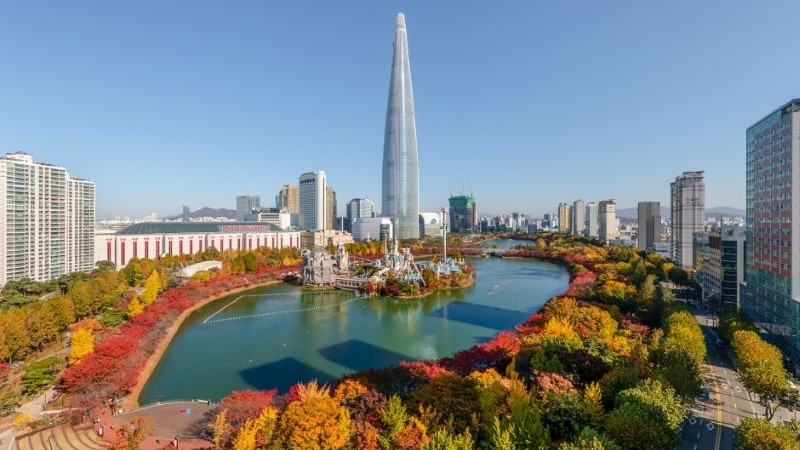
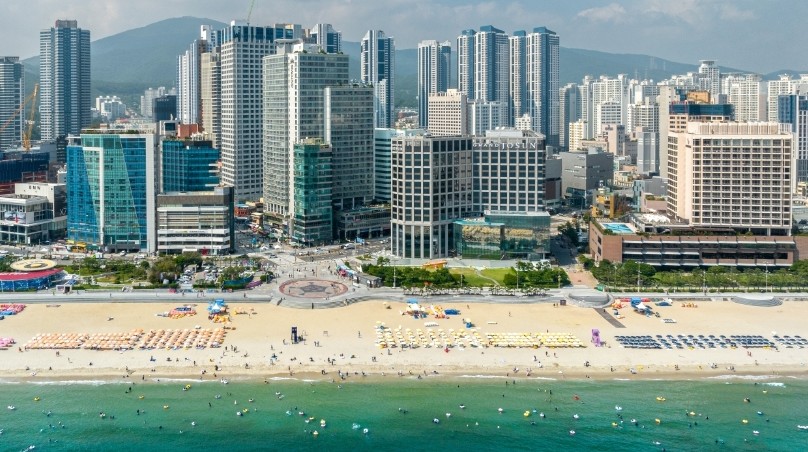
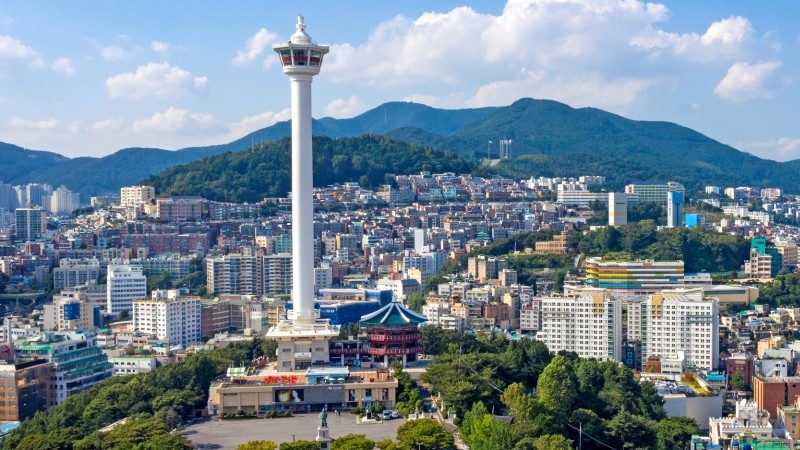
Your stay at Seoul and Busan is at decent 4* hotel, carefully selected for comfort, location, and hospitality. Each hotel offers the perfect base for relaxation after a full day of exploration.
Room Category: Standard
• Visa Application: Indians require a visa to enter South Korea. Apply well in advance at the South Korean Embassy/Consulate or through an authorized visa agency.
• Documents Needed: Valid passport (6 months minimum validity), recent photographs, filled application form, financial proof (bank statement/ITR), confirmed hotel bookings, and flight tickets.
• Visa-Free Transit: If transiting via Incheon Airport to a third country, you may be eligible for a transit visa exemption (conditions apply).
• Currency: The local currency is the Korean Won (KRW).
• Exchange: Exchange some cash at Indian airports or upon arrival in Seoul/Busan. Rates are often better at banks or official money exchangers.
• Cards & UPI: International credit/debit cards are widely accepted. However, carry some cash for small shops, markets, and transport. Indian UPI apps (like PhonePe/Paytm) don’t work in Korea.
• SIM Cards: Buy a local SIM card or rent a pocket Wi-Fi at Incheon Airport for seamless internet access.
• Language Apps: Install translation apps (like Papago or Google Translate) as English is not widely spoken outside tourist zones.
• T-Money Card: Get a rechargeable transport card for buses, subways, and even some taxis. It saves time and money.
• Subway System: Seoul and Busan have excellent metro networks with English signboards.
• KTX Train: Use the high-speed KTX bullet train for quick travel between Seoul and Busan.
• Vegetarian Options: Pure vegetarian food is limited, but Indian restaurants are available in major cities. Look for bibimbap (vegetable rice bowl), vegetable kimbap, tofu stews, and convenience store snacks.
• Spicy Food: Korean food is spicy and includes beef, pork, and seafood. Always check before ordering.
• Halal Food: Available in Itaewon (Seoul) and certain Busan areas.
• Shopping Areas: Myeongdong (cosmetics, fashion), Dongdaemun (wholesale clothes), Namdaemun (traditional goods), Busan’s Jagalchi Market (seafood).
• Tax Refund: Tourists can claim tax refunds at airports or designated counters for purchases above a set amount. Carry passport when shopping.
• Seasons:
Spring (Mar–May): Pleasant, carry light jackets.
Summer (Jun–Aug): Hot & humid, light cotton clothes.
Autumn (Sep–Nov): Best season, cool with colorful foliage.
Winter (Dec–Feb): Freezing cold, pack thermal wear, coats, gloves.
• Shoes: Comfortable walking shoes are a must as sightseeing involves lots of walking.
• Respect: Bow slightly when greeting; avoid loud behavior in public.
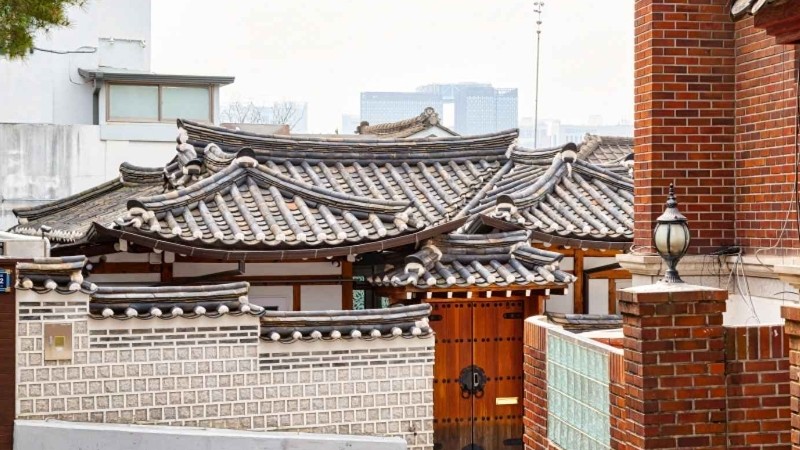
• Shoes: Remove footwear when entering traditional homes or temples.
• Tipping: Not a common practice in Korea, service charge is included in bills.
• Language: Learn a few Korean words like Annyeonghaseyo (Hello), Kamsahamnida (Thank you). Locals appreciate the effort.
• Safety: South Korea is very safe for tourists, but stay alert in crowded areas.
• Travel Insurance: Mandatory for visa and highly recommended for emergencies.
• Emergency Numbers:
Police: 112
Fire/Ambulance: 119
Tourist Hotline (English Help): 1330
• Carry some ready-to-eat Indian food packets (MTR, Haldiram’s) if you’re vegetarian.
• Power plugs are Type C & F (220V, 60Hz) – carry a universal adapter.
• Download KakaoMap / Naver Map instead of Google Maps, as Google has limited accuracy in Korea.
• Public toilets are free and widely available.
Before confirming your booking, we request you to carefully review our Booking Terms, Payment Policies, and Service Cancellation Guidelines. Please note that these terms may be revised as per changes in hotel policies, airline fare rules, or other service provider conditions beyond the control of Bespoke Signature Trips Pvt. Ltd.
































Write Your Review