
 Hotel
Hotel Meals
Meals Transport
 Sightseeing
 Visa
Visa Insurance


Your stay at Thimphu, Punakha and Paro is at decent 4* hotel, carefully selected for comfort, location, and hospitality. Each hotel offers the perfect base for relaxation after a full day of exploration.
Room Category: Standard
• All foreign tourists (except Indian, Bangladeshi, and Maldivian nationals) must obtain a visa before traveling to Bhutan.
• You’ll need to book your trip through a Bhutanese tour operator or a partner agent abroad.
• The visa is processed by the Tourism Council of Bhutan after your full trip payment (including visa fee and Sustainable Development Fee).
• Indian citizens need a permit (which can be done online or on arrival) and must carry a valid passport or voter ID.
• Bhutan charges a Sustainable Development Fee of USD $100 per day (for most foreign tourists) as of recent policies.
• Indians pay a reduced SDF of INR ₹1,200/day.
• This fee supports Bhutan’s “high value, low volume” tourism model.
• Spring (March–May): Rhododendrons bloom, great for trekking and landscapes.
• Autumn (September–November): Clear skies, major festivals like Thimphu Tshechu.
• Winter (December–February): Cold but great for birdwatching, photography, and fewer crowds.
• Monsoon (June–August): Lush greenery, but possible travel disruptions due to rain.
• Dress modestly, especially when visiting Dzongs (fortresses), monasteries, and temples.
• Remove shoes and hats before entering religious places.
• Always walk clockwise around stupas and religious monuments.
• Public displays of affection are considered inappropriate.
• Warm clothes, especially in higher altitudes (even summer evenings can be chilly).
• Comfortable walking/trekking shoes.
• Rain gear if you’re visiting during the monsoon.
• Sunscreen, sunglasses, and lip balm – high altitudes = strong UV rays.
• Power adapter: Bhutan uses type D, F, and G sockets (230V).
• Bhutan has decent mobile coverage in towns. Buy a local SIM card (B-Mobile or TashiCell) for better rates.
• Wi-Fi is available in most hotels and some cafes, but it can be slow or unreliable in remote areas.
• Tap water is not safe to drink – always go for bottled or boiled water.
• Carry a basic first-aid kit and personal medicines.
• Altitude sickness can affect some visitors – ascend slowly and stay hydrated.
• Bhutan is generally very safe for tourists, with low crime rates.
• Local currency: Ngultrum (BTN) (1 BTN = 1 INR approx.)
• Indian Rupees (INR) are widely accepted (except ₹2,000 notes may not be).
• ATMs are available in major towns but may not always work with international cards.
• Credit cards are accepted in some hotels/shops, but carry cash for small purchases.
• No public transport for tourists. Your tour package will usually include a private vehicle with a driver and guide.
• Roads can be winding and slow, so plan for extra travel time between towns.
• For long distances, consider domestic flights (e.g., to Bumthang).
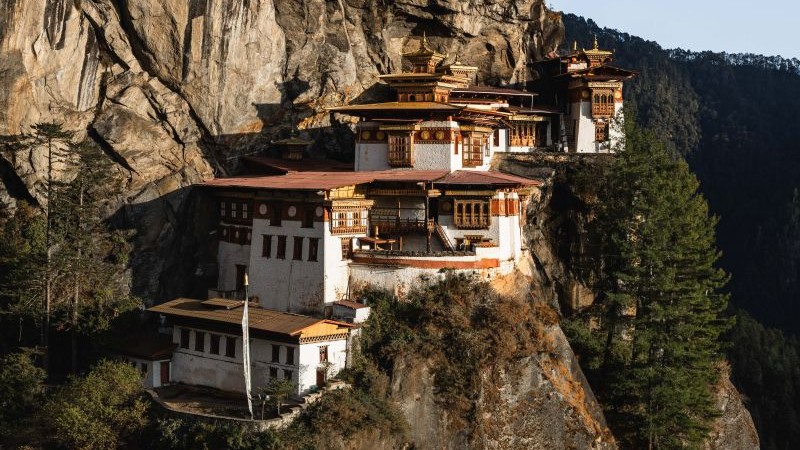
• Hike to Tiger’s Nest Monastery (Paro Taktsang) – iconic and spiritual.
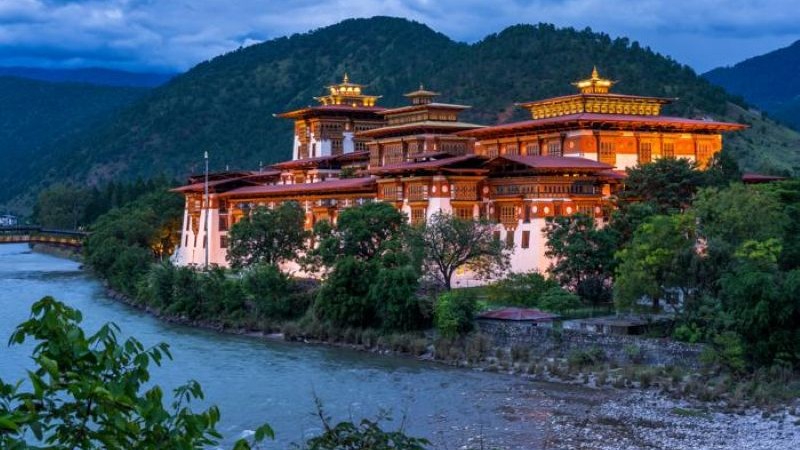
• Visit Punakha Dzong – stunning riverside fortress.
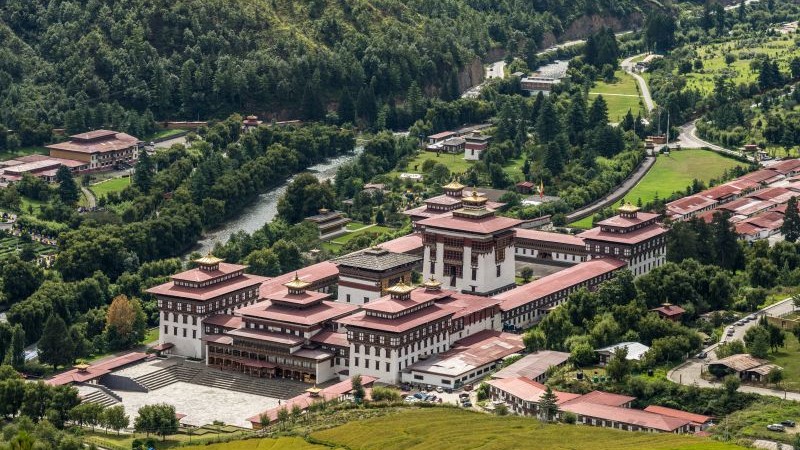
• Explore Thimphu, the capital with no traffic lights!
• Attend a local festival (Tshechu) with masked dances and music.
• Try traditional Ema Datshi (chilli cheese), red rice, and butter tea.
• Ask before taking photos of people, especially monks or rural locals.
• No photography inside temples and religious structures unless explicitly allowed.
• Bhutan takes environmental conservation seriously. Don’t litter, avoid plastic use, and respect nature.
• Take only photos, leave only footprints.
Before confirming your booking, we request you to carefully review our Booking Terms, Payment Policies, and Service Cancellation Guidelines. Please note that these terms may be revised as per changes in hotel policies, airline fare rules, or other service provider conditions beyond the control of Bespoke Signature Trips Pvt. Ltd.






























Write Your Review