Details
Nizami Heritage Route
Hyderabad is a major inbound tourist destination, attracting visitors with its rich Nizam-era heritage, iconic monuments like Charminar and Golconda Fort, and a vibrant culinary scene. The city also appeals to international tourists due to its modern infrastructure, IT hubs, and well-connected international airport. Bidar, though less commercialized, draws inbound tourists interested in history, architecture, and cultural authenticity. Its key attractions include Bidar Fort, Bahmani Tombs, and ancient madrasas that reflect Indo-Islamic heritage. Bidar offers a quieter, more immersive experience compared to Hyderabad’s urban energy. Together, Hyderabad and Bidar provide inbound tourists a balanced mix of cosmopolitan appeal and heritage-based tourism.
On arrival in Hyderabad, our guests are met and greeted by a knowledgeable and courteous tour guide, who assists with the transfer to the hotel for a smooth check-in process. As breakfast is not scheduled on this day, guests are given time to refresh and relax after their journey. Once comfortable, the guided sightseeing tour begins with an engaging overview of Hyderabad’s distinguished Indo-Islamic heritage, highlighting its historical role as a powerful and culturally refined Deccan kingdom.
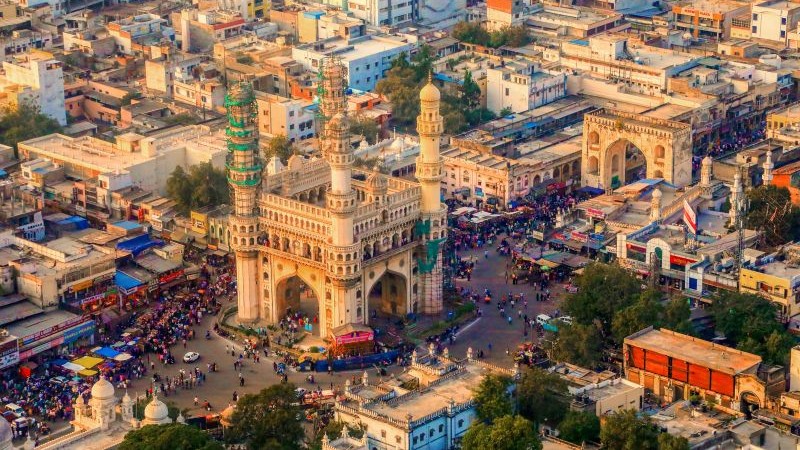
The tour first takes guests to the world-famous Charminar, a defining landmark of the city and an outstanding example of Qutb Shahi architecture, admired for its symmetry, ornate detailing, and historical significance. This is followed by a leisurely walk to the nearby Mecca Masjid, one of the largest and oldest mosques in India, where guests learn about its religious importance, grand scale, and architectural elegance. The experience continues through the lively Laad Bazaar, a centuries-old market renowned for its colorful lacquer bangles, traditional perfumes, pearls, and local crafts, offering an authentic insight into Hyderabad’s trading heritage and everyday life.
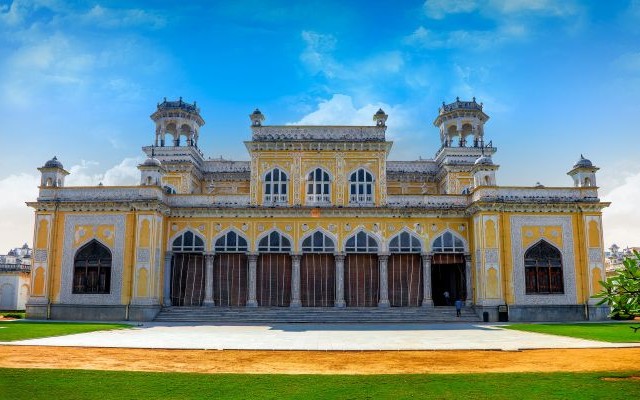
Later in the day, guests visit the magnificent Chowmahalla Palace, once the official residence and ceremonial seat of the Asaf Jahi Nizams. The palace complex impresses with its expansive courtyards, richly decorated durbar halls, and curated collections of royal artifacts, vintage automobiles, and manuscripts, vividly reflecting the opulence and grandeur of Hyderabad’s royal past. After a culturally enriching day, guests return to the hotel where dinner is served, featuring classic Hyderabadi dishes that showcase the city’s celebrated culinary traditions.
Overnight at Hyderabad hotel.
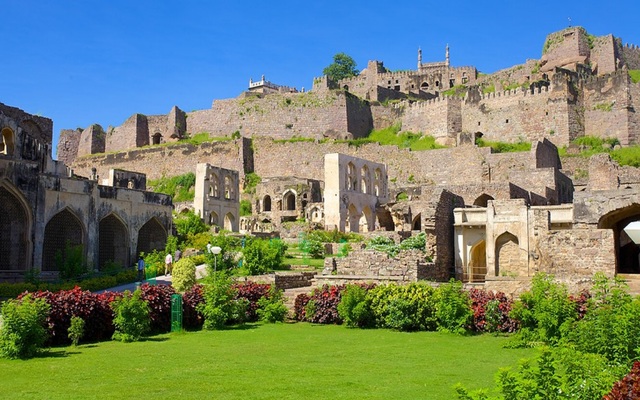
After enjoying breakfast at the hotel, guests set out on a guided excursion to the majestic Golconda Fort, an outstanding testament to the brilliance of medieval Deccan architecture and advanced military planning. As they pass through its imposing ramparts and monumental gateways, the guide brings the fort to life with engaging narratives about its ingenious acoustic warning system, expansive royal chambers, elegant mosques, and remarkably sophisticated water supply network. The visit is enriched with fascinating accounts of the Qutb Shahi sultans and Golconda’s famed diamond trade, which once attracted merchants and travelers from across the world.
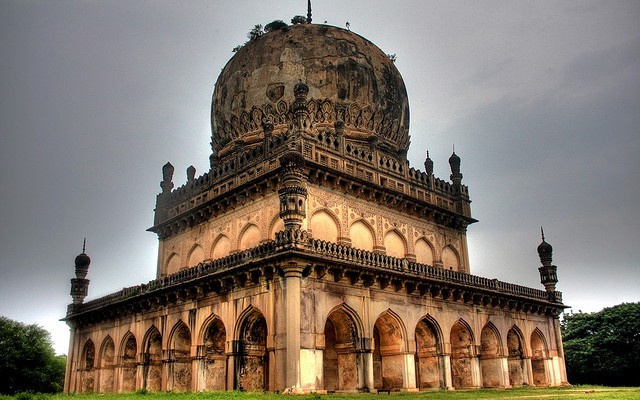
The journey then continues to the serene Qutb Shahi Tombs, an extraordinary royal necropolis surrounded by lush, landscaped gardens. Here, visitors witness a graceful fusion of Persian, Pathan, and indigenous Deccani architectural influences. The guide offers detailed insights into the decorative elements, symbolic motifs, calligraphic inscriptions, and ceremonial burial customs practiced by the Qutb Shahi dynasty, providing a deeper understanding of their royal legacy.
In the afternoon, guests are introduced to a thoughtfully curated culinary narrative that traces the evolution of Hyderabadi cuisine. This session highlights how centuries of cultural exchange shaped the region’s food traditions, drawing inspiration from Persian, Turkish, and Mughal culinary practices. The day concludes with a relaxed dinner served at the hotel, offering a comfortable end to a culturally enriching experience.
Overnight at Hyderabad hotel.
After an early breakfast, guests check out from the hotel and begin a comfortable road journey to Bidar, an important historical city that once flourished as the capital of the powerful Bahmani Sultanate. On arrival, guests are assisted with hotel check-in, followed by a short refreshment break before commencing the guided sightseeing tour.
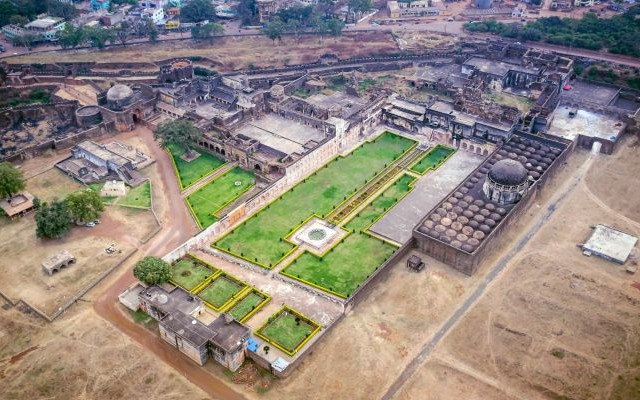
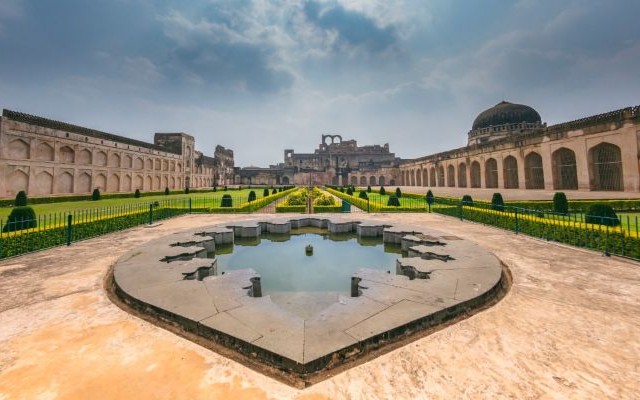
The afternoon is dedicated to exploring the impressive Bidar Fort, a vast fortified complex that stands as a fine example of Indo-Islamic architecture enriched with strong Persian influences. As guests walk through its formidable ramparts, gateways, royal palaces, mosques, and audience halls, the guide provides insightful narratives about Bidar’s strategic military significance, the grandeur of the Bahmani court, and the city’s vital role in shaping Deccan art, architecture, and cultural traditions. Special attention is given to the Solah Khamba Mosque, admired for its elegant sixteen-pillared structure and serene architectural harmony.
The tour continues with a visit to the exquisite Rangin Mahal, one of the most beautifully decorated structures within the fort. Renowned for its finely carved wooden ceilings, colorful tile work, and delicate mother-of-pearl inlay, the palace offers a glimpse into the refined tastes and luxurious lifestyle of the Deccan rulers. After a culturally enriching day, guests return to the hotel, where a relaxing dinner is served, bringing the day’s experiences to a pleasant close.
Overnight at Bidar hotel.
After enjoying breakfast at the hotel, guests set out once again with their guide to continue an in -depth exploration of Bidar’s rich spiritual, cultural, and architectural heritage. The morning begins with a visit to the Mahmud Gawan Madrasa, widely regarded as one of the finest examples of medieval Islamic educational architecture in India. Once a celebrated center of advanced learning, the madrasa attracted scholars from distant regions of the Islamic world who came to study theology, philosophy, science, and literature. As guests walk through its impressive courtyards and arched corridors, the guide offers detailed insights into the building’s perfect symmetry, finely carved stonework, decorative tile remnants, and beautifully inscribed Quranic verses, while also recounting the historical importance of Mahmud Gawan and the institution’s role in shaping Bidar’s intellectual legacy.
The tour then continues to the Barid Shahi Tombs, a tranquil complex that reflects the artistic refinement and royal patronage of the Barid Shahi dynasty. Surrounded by peaceful greenery, the tombs feature elegant domes, balanced proportions, and understated ornamentation that together create an atmosphere of quiet dignity. The guide explains the evolution of architectural styles seen here and how these structures symbolize the later phase of Bidar’s royal history.
In addition to monument visits, time is set aside for guests to experience the local character of the region. This includes an opportunity to observe traditional crafts practiced by local artisans and to become familiar with the distinctive culinary influences of the Deccan plateau, shaped by a blend of regional and historical flavors. As evening approaches, guests return to the hotel, where they can relax and reflect on the day’s discoveries before enjoying dinner in a comfortable setting.
Overnight at Bidar hotel.
After enjoying breakfast at the hotel, guests complete the check-out formalities and set out on their return drive to Hyderabad. On reaching the city, and subject to individual departure timings, there may be an opportunity for a short, guided visit to the renowned Salar Jung Museum. This celebrated institution houses one of the world’s largest private art collections, featuring rare manuscripts, sculptures, textiles, paintings, and artifacts from across Asia, Europe, and the Middle East. The visit provides valuable insight into the Deccan’s historical engagement with global artistic traditions and its long-standing royal patronage of the arts.
Following this final cultural experience, guests are transferred to the airport or their onward point of departure. With this, the thoughtfully designed journey comes to a close, leaving behind lasting impressions of the Deccan’s magnificent Indo-Islamic architecture, the legacy of the Qutb Shahi rulers, centuries of royal history, and the region’s distinguished culinary heritage.


 Hotel
Hotel Meals
Meals Transport
 Sightseeing
 Guide
Guide














































Write Your Review