

 Hotel
Hotel Meals
Meals Transport
 Sightseeing
 Guide
Guide


Your stay at Khajuraho and Jhansi is at decent 4* hotel, carefully selected for comfort, location, and hospitality. Each hotel offers the perfect base for relaxation after a full day of exploration.
Room Category: Standard
• The ideal season to visit Khajuraho and Jhansi is October to March, when the weather is pleasant and suitable for sightseeing.
• Summers (April–June) can be very hot, while the monsoon season (July–September) may bring occasional travel disruptions.
• Wear light, breathable cotton clothing during the day and carry a light jacket or shawl for cooler evenings in winter.
• Comfortable walking shoes are recommended, especially when exploring temples, forts, and heritage sites.
• When visiting temples, modest attire covering shoulders and knees is advised.
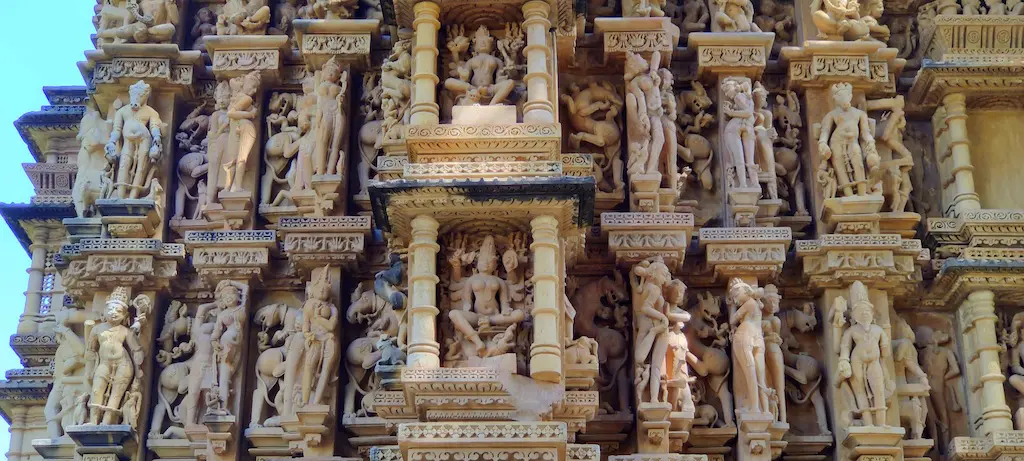
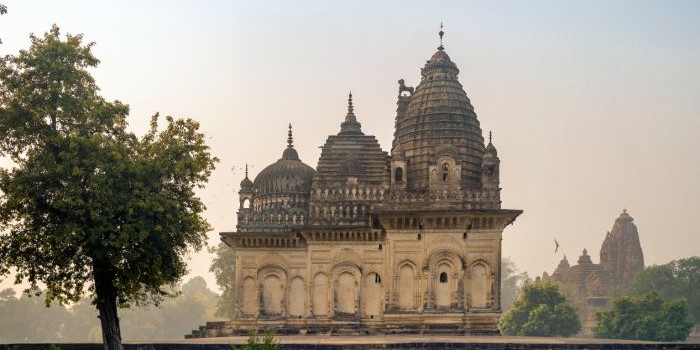
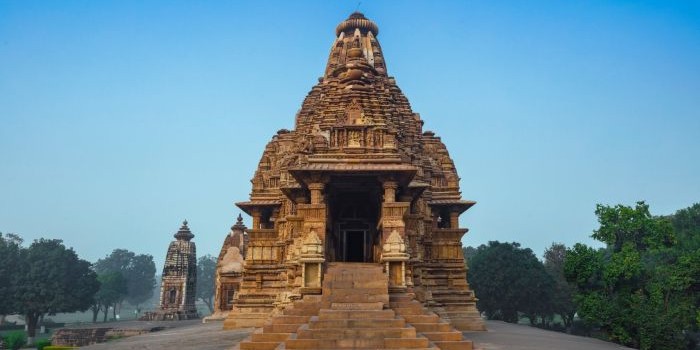
• Khajuraho’s temples are UNESCO World Heritage Sites; photography is allowed in most areas, but follow local guidelines and signage.
• Always ask permission before photographing local people.
• Public displays of affection are best avoided in traditional areas.
• Drink only bottled or purified water and avoid ice unless it is from a reputed hotel or restaurant.
• Carry basic medications, sunscreen, insect repellent, and hand sanitizer.
• Both destinations are generally safe; however, keep personal belongings secure in crowded areas.
• Hiring a private air-conditioned vehicle with a professional driver is the most convenient way to explore both cities.
• Guided tours are highly recommended to fully appreciate the history, architecture, and stories behind the monuments.
• Monument visits are best planned in the morning or late afternoon to avoid heat and crowds.
• International travelers are advised to dine at hotel restaurants or reputable local eateries.
• Indian cuisine can be spicy; inform the restaurant staff if you prefer mild food.
• Do try regional specialties, but introduce new dishes gradually.
• Khajuraho is famous for handicrafts, stone carvings, and textiles—purchase from government-approved or trusted shops.
• Jhansi offers local handicrafts and traditional items; bargaining is common in local markets.
• Mobile networks are generally reliable; purchasing a local SIM card can be useful for longer stays.
• Carry some cash in Indian Rupees, as smaller shops and rural areas may not accept international cards.
• Help preserve heritage sites by not touching sculptures, littering, or carving names on monuments.
• Respect local traditions, customs, and religious sentiments.
Before confirming your booking, we request you to carefully review our Booking Terms, Payment Policies, and Service Cancellation Guidelines. Please note that these terms may be revised as per changes in hotel policies, transporter or any other service provider conditions beyond the control of Bespoke Signature Trips Pvt. Ltd.









































Write Your Review