








Offbeat tourist locations in India are rapidly emerging as the future of domestic tourism due to changing travel preferences and evolving lifestyles. For decades, iconic landmarks like the Taj Mahal and beach destinations such as Goa dominated travel plans. However, overcrowding, commercialization, and environmental strain at such hotspots have encouraged travelers to look beyond traditional circuits. Today’s domestic tourists increasingly seek peaceful environments, authentic cultural experiences, and destinations that offer something different from the usual tourist itinerary.
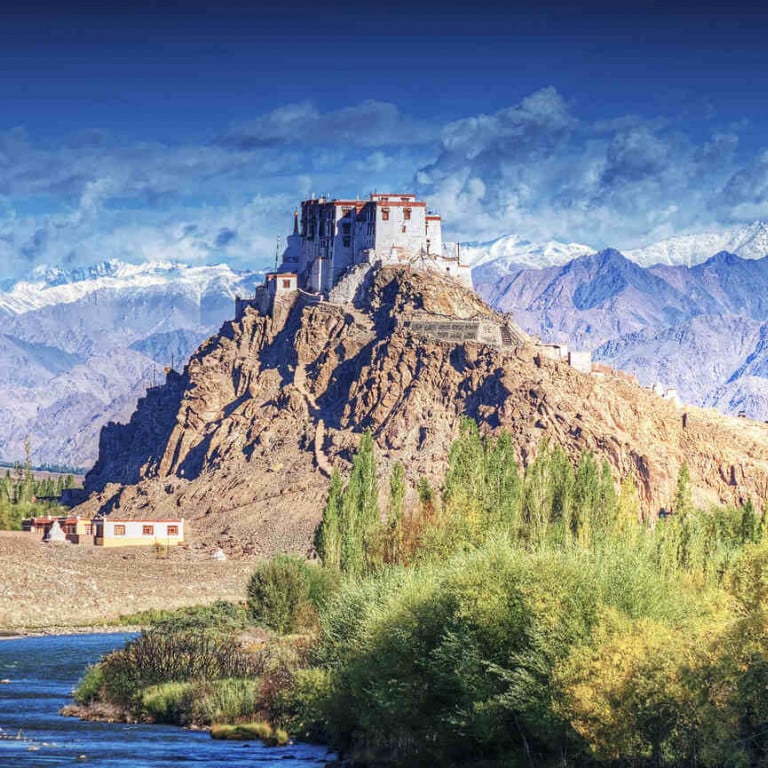
One of the key reasons for this shift is the growing demand for unique and immersive experiences. Travelers are no longer satisfied with simply visiting famous monuments; they want to connect with local traditions, food, and lifestyles. Places like Ziro Valley, Spiti Valley, and Majuli provide untouched natural beauty and rich indigenous cultures. Such destinations allow visitors to explore tribal heritage, attend local festivals, and stay in homestays that offer a genuine glimpse into regional life.
Offbeat tourism also plays an important role in promoting sustainable travel practices. Popular tourist hubs often face issues like pollution, traffic congestion, and waste management problems due to heavy footfall. By encouraging travelers to explore lesser-known regions, tourism pressure becomes more evenly distributed across the country.
Technological advancement has further accelerated the growth of offbeat tourism. Improved road networks, better rail connectivity, and the availability of digital navigation tools have made remote areas more accessible than ever before. Online booking platforms and social media exposure have brought hidden gems into the spotlight. Stunning images and travel stories shared online inspire domestic travelers to venture beyond well-known cities and discover unexplored landscapes across India.
Many offbeat destinations actively promote eco-tourism, responsible trekking, and community-based tourism initiatives, which help preserve fragile ecosystems while ensuring that economic benefits reach local residents directly.
Finally, the growth of offbeat tourism supports inclusive regional development. When tourists explore lesser-known districts, they generate income for small businesses, local artisans, transport providers, and homestay owners. This reduces economic dependence on a few major cities and promotes balanced growth across states. As domestic travelers continue to prioritize meaningful, sustainable, and affordable experiences, offbeat tourist locations are set to shape the next chapter of India’s tourism industry.