







Destination

Luxury Cuisine Tours and Travel Experiences

Discover Cuisine with Curated and Personalized Journeys

Fading Traditions in Indian Culinary Culture

Many Indian cuisines are on the verge of extinction as modern lifestyles have replaced traditional cooking with faster, more convenient food choices. With urbanization, people often abandon time-consuming regional recipes in favour of quick meals.
The loss of local ingredients and traditional farming methods has made many authentic dishes difficult to recreate. As older generations pass away, their culinary knowledge—often passed down orally—is being lost.
Globalization and the growing dominance of mainstream foods have further overshadowed regional diversity. Moreover, the lack of documentation and cultural promotion has caused many rare and heritage dishes to fade into obscurity.

Revive the roots, preserve the flavors

To preserve fading traditions in Indian culinary culture, it is important to document and record old regional recipes before they disappear. Encouraging younger generations to learn traditional cooking from elders can help keep these dishes alive. Promoting the use of local ingredients and traditional farming methods will also sustain authentic flavors. Culinary festivals and food tourism can showcase lesser-known regional cuisines to a wider audience. Social media and digital platforms can further help revive and celebrate India’s diverse food heritage.

A Taste of the Past: Exploring India’s Lost Culinary Heritage

  • Cultural Connection:Traditional dishes reflect India’s regional heritage, festivals, and lifestyles. Experiencing them helps travelers connect deeply with local culture.
  • Preserving Heritage: By tasting and supporting rare or forgotten recipes, tourists help keep these culinary traditions alive and encourage local cooks to continue them.
  • Authentic Experience: Lost recipes often use indigenous ingredients and slow-cooking methods that offer flavors missing from modern commercial cuisine.
  • Sustainability and Local Support: These dishes often rely on local produce and age-old sustainable practices, benefiting rural farmers and small food artisans.
  • Storytelling Through Food: Every lost recipe tells a story — of migration, adaptation, and identity — turning a meal into a meaningful cultural narrative.
  • Unique Travel Memory: Unlike typical tourist food, tasting fading culinary traditions gives travelers a one-of-a-kind, memorable experience rooted in authenticity.
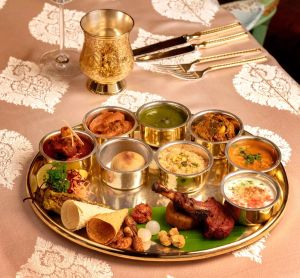
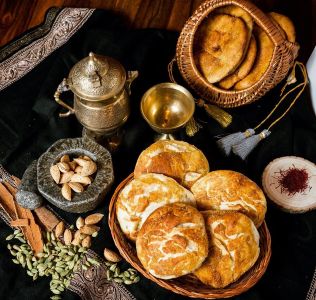
Experience the heritage of India through its iconic traditional meals.

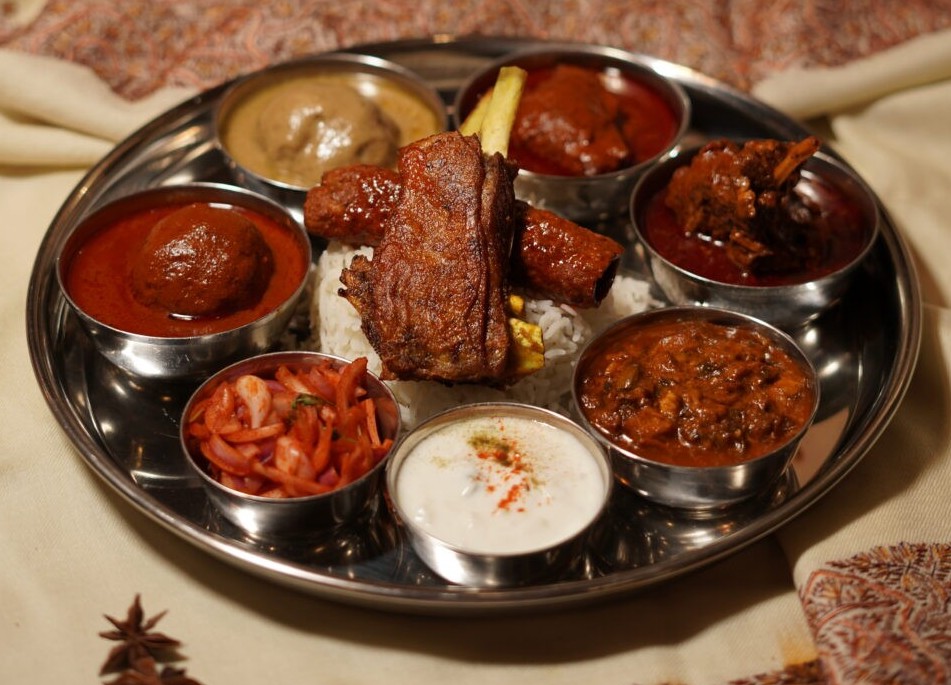
Wazwan, Kashmir

Wazwan is the crown jewel of Kashmiri cuisine, celebrated for its royal heritage and exquisite artistry. This elaborate multi-course feast, crafted by skilled wazas, showcases signature dishes like Rogan Josh, Rista, and Gushtaba — each brimming with aromatic spices and authentic flavors. More than a culinary experience, Wazwan embodies the spirit of Kashmiri hospitality, tradition, and togetherness, served with great pride and reverence.


Dham, Himachal Pradesh

Dham is the traditional festive meal of Himachal Pradesh, celebrated as a symbol of community, culture, and devotion. Prepared by skilled cooks known as botis, this vegetarian feast is served on banana leaves and enjoyed during festivals, weddings, and special occasions. A typical Dham includes delicacies like madra (chickpeas cooked in yogurt gravy), teliya mah, chana dal, khatta, and meetha bhat (sweet rice). Beyond its delicious flavors, Dham represents Himachal’s deep-rooted traditions of togetherness, gratitude, and culinary artistry.


Dal, Batti, Churma, Rajasthani Iconic Meal

Dal, Batti, Churma is a traditional and iconic dish from Rajasthan that beautifully represents the region’s rich culture and hospitality. The meal combines three elements — spicy and flavorful dal (lentils), crisp yet soft batti (baked wheat balls soaked in ghee), and sweet, aromatic churma (a mix of crushed wheat, ghee, and jaggery). Served together, they create a perfect balance of taste and texture — savory, rich, and sweet. Traditionally prepared during festivals and special occasions, Dal Batti Churma is more than just food; it is a celebration of Rajasthan’s royal heritage and earthy flavors.


Thukpa, Niguru with Churpi, and Phagshapa, Darjeeling & Sikkim

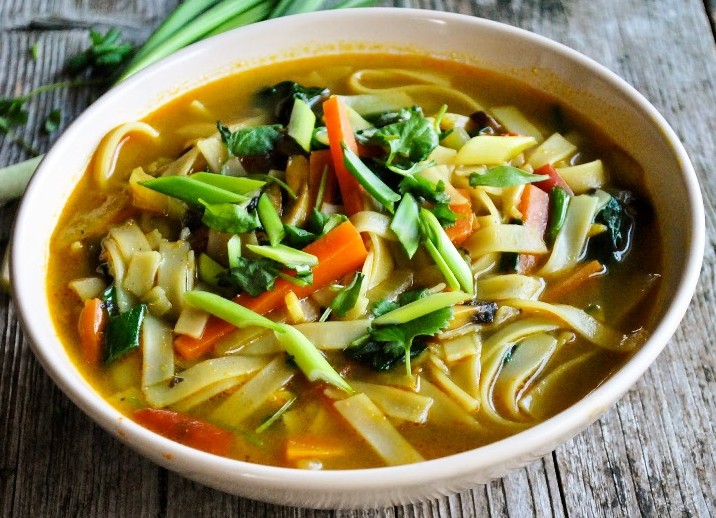
Thukpa, Niguru with Churpi, and Phagshapa are traditional delicacies of Darjeeling that beautifully reflect the region’s Himalayan culinary heritage. Thukpa is a hot and comforting noodle soup prepared with vegetables, meat, and local spices, offering warmth and nourishment in the chilly mountain climate. Niguru with Churpi combines fiddlehead ferns with churpi, a hardened local cheese, creating a distinctive dish rich in flavor and nutrition. Phagshapa, on the other hand, is a savory preparation of pork fat slices cooked with radish and red chilies, known for its smoky aroma and spicy taste. Together, these dishes showcase the perfect blend of Tibetan, Nepali, and local influences that define Darjeeling’s diverse food culture.

Masor Tenga, Assam

Masor Tenga is a traditional Assamese fish curry known for its tangy and refreshing flavor. It is usually prepared with freshwater fish like Rohu, cooked in a light, sour gravy made from tomatoes, lemon, or thekera (dried mangosteen). This dish is a staple during summer as its tanginess helps in digestion and provides relief from the heat. Served with plain rice, Masor Tenga perfectly reflects the simplicity and balance of Assamese cuisine.

Jadoh, Shillong, Meghalaya

Jadoh is a traditional Khasi delicacy from Shillong, Meghalaya, cherished for its rich flavor and aroma. It is prepared with red rice cooked along with tender pork pieces, seasoned with local herbs, onions, and aromatic spices. In some variations, pork blood is added, lending the dish a deep color and distinct taste. Often served with chutneys, pickles, and boiled vegetables, Jadoh symbolizes Khasi hospitality and is a highlight of festivals and community gatherings.

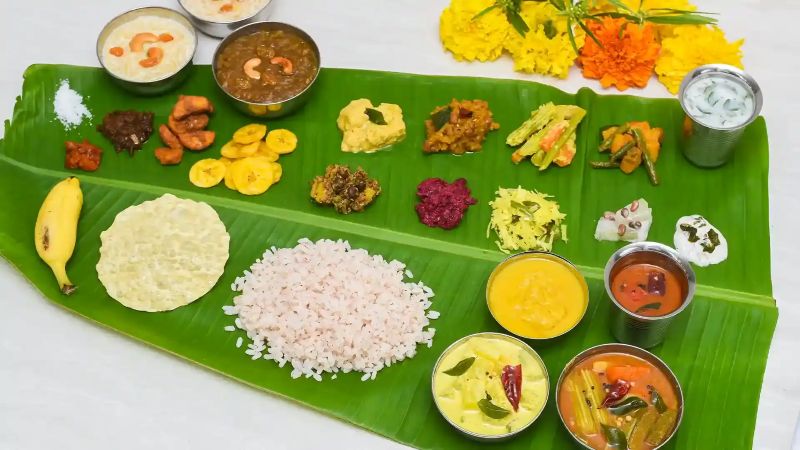
Sadya, Kerala

Sadya is the traditional feast of Kerala, known for its variety, balance, and vibrant flavors. Served on a banana leaf, it includes steamed rice accompanied by an array of vegetarian dishes such as sambar, avial, olan, thoran, pachadi, and rasam. Crispy papad, banana chips, and pickles add texture and zest to the meal. The feast concludes with payasam, a delicious sweet dish made with milk, rice, or lentils. Sadya is an integral part of festivals like Onam and Vishu, symbolizing Kerala’s hospitality and cultural richness.
 

Fish Curry with Rice, Port Blair

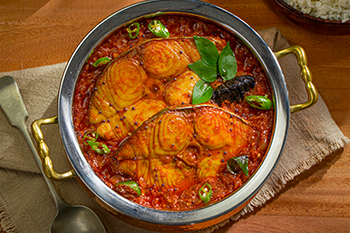
Fish Curry with Rice is one of the most popular traditional meals in Port Blair, the capital of the Andaman and Nicobar Islands. This flavorful dish features freshly caught local fish simmered in a rich curry made with coconut milk, tamarind, mustard seeds, and aromatic spices. The curry is typically served with steamed rice, creating a comforting and wholesome meal. Loved by both locals and visitors, Fish Curry with Rice reflects the island’s coastal heritage and the influence of South Indian and Southeast Asian flavors in Andaman cuisine.

Upscale restaurants offering a refined taste of traditions.

Clove – The Art of Dining, Srinagar:

Perched on the rooftop of Blooms Hotel, Clove – The Art of Dining, Dal Lake redefines luxury dining in Srinagar. With stunning lake views, the restaurant unites Kashmiri richness, Indian tradition, and Western flair in every creation. A reflection of culinary artistry and innovation, Clove transforms every meal into an unforgettable experience. Its commitment lies in authenticity, excellence, and the true art of fine dining.
 

Takri Restaurant, Palampur Dharamshala:

Takri Restaurant invites you on a luxurious journey into the heart of Himachal Pradesh — where culture, tradition, and heritage converge in a symphony of authenticity and grace. Immerse yourself in captivating tales, soulful melodies, graceful dances, and timeless artistry that capture the true essence of Himachal. At Natives’ Kitchen, savor the pure flavors of the region with an exquisite selection of traditional delicacies — from the ceremonial Dham to treasured heirloom recipes passed down through generations. Each dish is thoughtfully curated and artfully presented, honoring the land’s rich culinary heritage while embodying refined sophistication.

Chokhi Dhani, Jaipur:

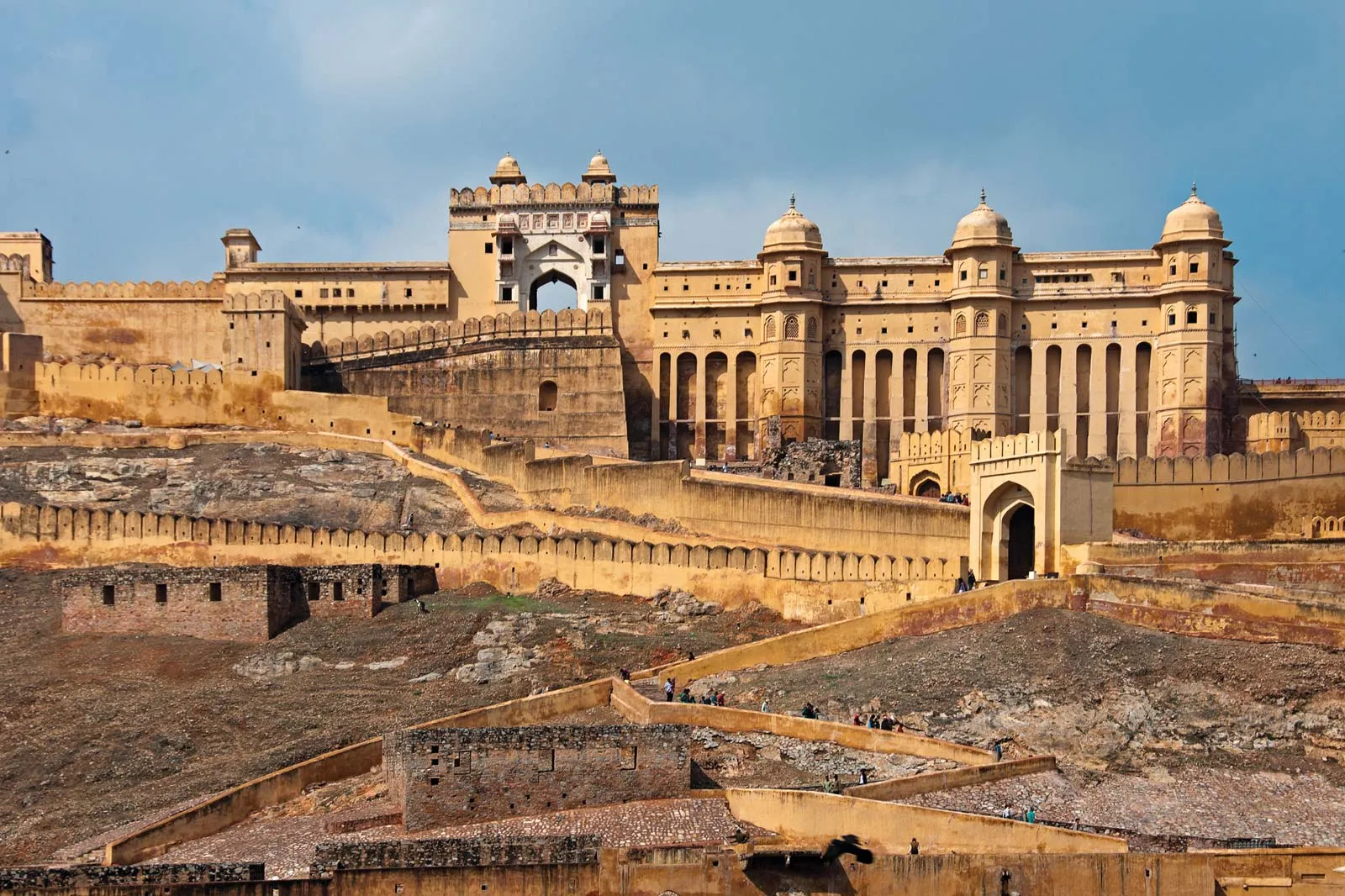
At Chokhi Dhani, Jaipur, dining transforms into an opulent journey through Rajasthan’s royal culinary legacy. Indulge in an exquisite Rajasthani thali, served with regal hospitality and featuring signature delicacies like Dal Baati Churma, Gatte ki Sabzi, and Bajre ki Roti. Each dish is a masterpiece, crafted from traditional recipes and aromatic local spices, offering a truly immersive experience of Rajasthan’s rich flavors, culture, and grandeur.

Suvarna Mahal – Rambagh Palace, Jaipur:

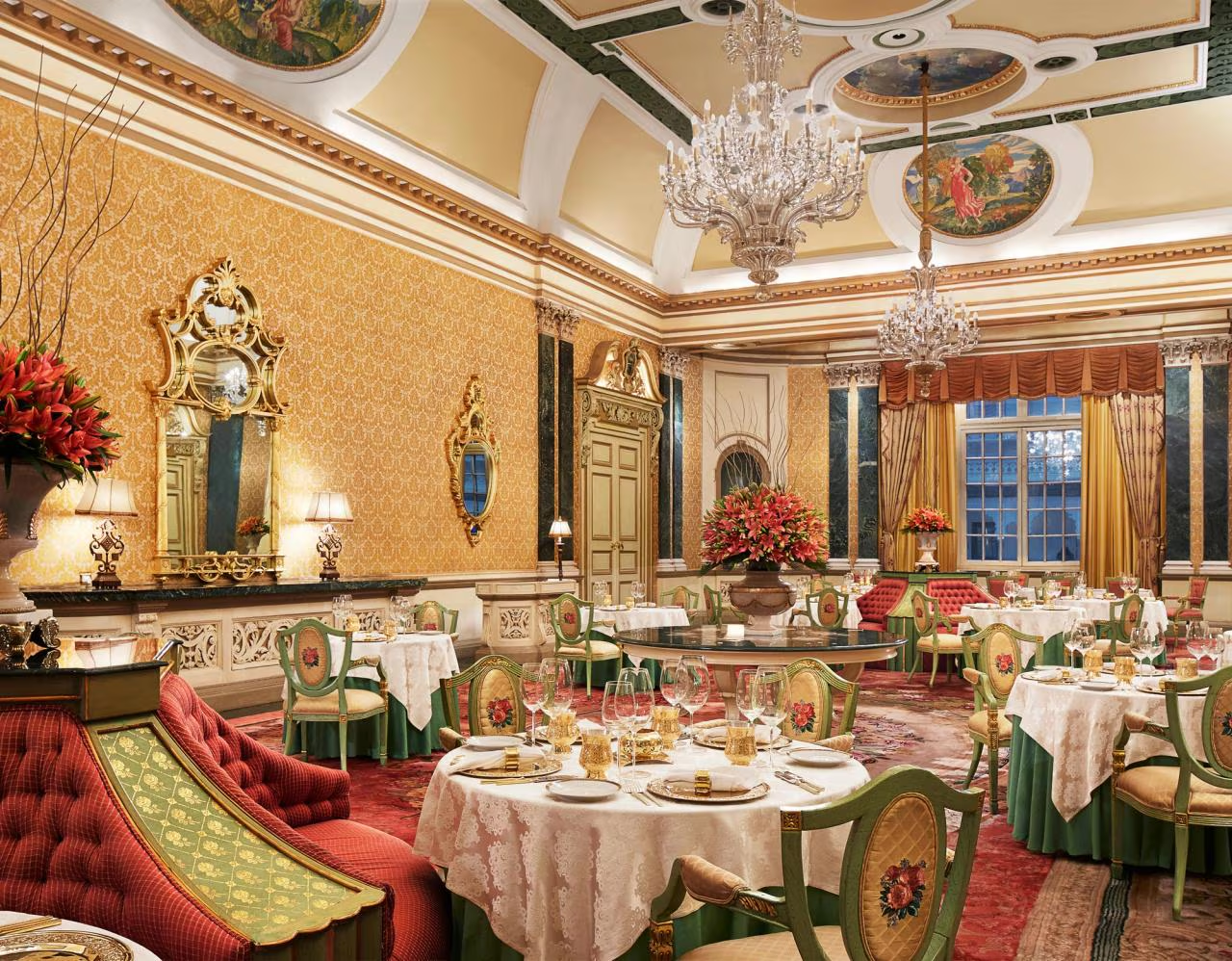
Suvarna Mahal at Rambagh Palace, Jaipur, embodies the grandeur and refinement of India’s royal heritage. Once the palace’s stately dining hall, its majestic interiors — adorned with hand-carved ceilings, crystal chandeliers, and frescoed walls — transport guests to a bygone era of regal splendor. The restaurant presents an exceptional fine-dining experience with royal cuisines from Rajasthan, Awadh, Hyderabad, and Kashmir. Every detail, from the service to the presentation, transforms dining into an opulent celebration of India’s rich culinary legacy.

Rice Boat – Taj Malabar Resort & Spa, Cochin:

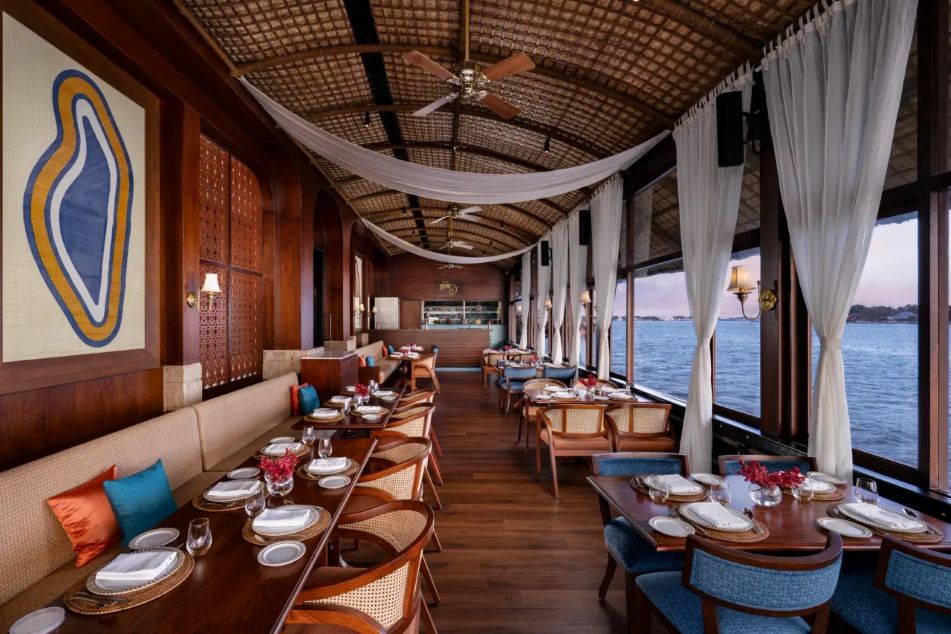
Set against the tranquil backwaters of Kochi, Rice Boat at Taj Malabar Resort & Spa offers an extraordinary fine-dining experience inspired by Kerala’s coastal heritage. Designed like a traditional Kettuvallam (houseboat), it provides an intimate and romantic setting overlooking the serene waters. The restaurant celebrates the finest seafood, featuring freshly caught delicacies like tiger prawns, crab, and the iconic Karimeen, crafted with authentic Kerala spices and contemporary flair. With impeccable service, refined ambience, and breathtaking views, dining at Rice Boat is a luxurious voyage through the flavors of Kerala’s coast.

Full Moon Cafe, Havelock:

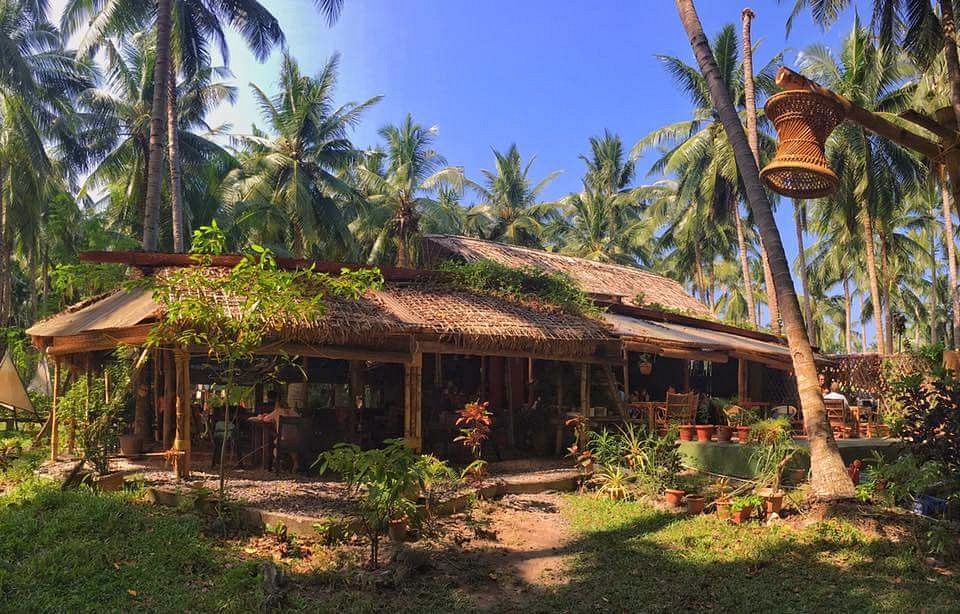
Nestled along the pristine shores of Havelock Island, Fullmoon Café is a tranquil seaside haven that beautifully embodies the spirit of island life. With its laid-back ambience, open-air seating, and panoramic views of the turquoise Andaman waters, it offers the perfect escape to unwind. The café delights guests with a vibrant mix of freshly caught seafood, global classics, and island-inspired specialties crafted from organic ingredients. Whether it’s a leisurely breakfast, a sunset cocktail, or a romantic dinner by the shore, Fullmoon Café promises an unforgettable coastal dining experience.

Jholekiya, Guwahati:

Jholekiya in Guwahati redefines Assamese dining with a luxurious celebration of the region’s bold and diverse flavors. Showcasing the finest local ingredients and time-honored recipes elevated with contemporary flair, the restaurant offers an exquisite journey through Assam’s rich culinary heritage. Signature creations like tangy fish curries, bamboo shoot delicacies, and artisanal local specialties are presented with exceptional artistry. Complemented by an elegant ambience and sophisticated décor inspired by Assamese culture, Jholekiya promises an indulgent dining experience that embodies warmth, elegance, and authenticity.
 

Step into flavor — your table is waiting !!!

Elevate your journey with curated dining experiences. Choose your travel destination and indulge in meals designed around your preferences — authentic traditional flavors or elegant fine dining, vegetarian or non-vegetarian — crafted just for you.

Our Accreditation

Please enable JavaScript in your browser to complete this form.

Reach out – your journey begins with a conversation