
 Hotel
Hotel Meals
Meals Transport
 Sightseeing
 Visa
Visa Insurance


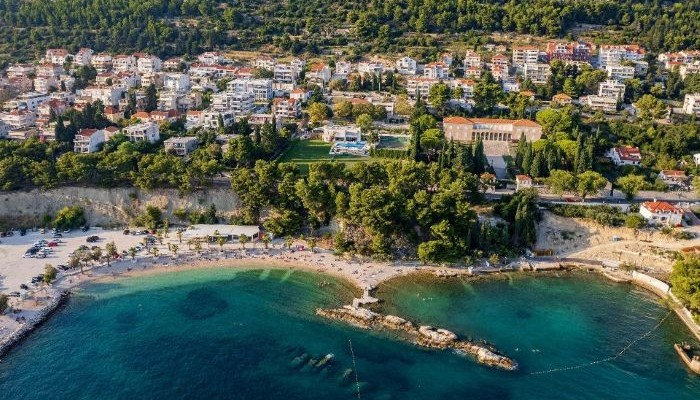
Your stay at Zagreb, Zadar, Split and Dubrovnik is at decent 4* hotel, carefully selected for comfort, location, and hospitality. Each hotel offers the perfect base for relaxation after a full day of exploration.
Room Category: Standard
• Best Time to Visit: The ideal months are May to June and September to October for pleasant weather, fewer crowds, and lower prices. July and August are peak season with high tourist activity.
• Currency: Croatia uses the Euro (EUR). Credit cards are widely accepted, but carry some cash, especially in smaller towns and islands.
• Language: Croatian is the official language, but English is widely spoken, especially in tourist areas.
• Safety: Croatia is very safe for travelers. Just practice basic precautions like safeguarding valuables and being cautious in crowded places.
• Public Transport: Buses are reliable and affordable for intercity travel. Trains are less frequent but scenic. Ferries connect coastal cities and islands.
• Driving: Renting a car is great for flexibility, especially for exploring Istria, the Dalmatian coast, or the Plitvice Lakes. Roads are good, but parking in old towns can be tricky.
• Island Hopping: Use Jadrolinija or Krilo ferries and catamarans for efficient travel between islands like Hvar, Korčula, and Brač.
• Bring Comfortable Shoes: Old towns like Dubrovnik, Split, and Rovinj have cobblestone streets. Good walking shoes are a must.
• Sun Protection: Summers can be hot. Carry sunscreen, sunglasses, and a hat.
• Swimwear & Water Shoes: For rocky beaches and hidden coves, water shoes are useful.
• Try Local Specialties: Don’t miss out on dishes like Peka, black risotto, truffle pasta, and Dalmatian prosciutto. Seafood is excellent along the coast.
• Tipping: Tipping is appreciated but not mandatory. Rounding up the bill or 10% is customary.
• Dress Respectfully: While beachwear is fine at the coast, cover up when entering churches or walking through town centers.
• SIM Cards & Internet: You can easily get prepaid SIM cards with data at the airport or local shops (A1, T-Mobile, or Telemach). Wi-Fi is widely available in hotels and cafes.
• Plugs: Croatia uses Type C and F plugs (Europlug), and the voltage is 230V. Bring a universal adapter if needed.
• Respect Heritage Sites: Many cities are UNESCO sites. Avoid climbing on ruins or graffiti.
• Avoid Tourist Traps: Especially in Dubrovnik, prices in Old Town can be steep. Explore nearby streets or ask locals for recommendations.
• Stay Hydrated: Tap water is safe to drink and refreshing.
Before confirming your booking, we request you to carefully review our Booking Terms, Payment Policies, and Service Cancellation Guidelines. Please note that these terms may be revised as per changes in hotel policies, airline fare rules, or other service provider conditions beyond the control of Bespoke Signature Trips Pvt. Ltd.
































Write Your Review